Export appliance programs formalized
Daikin began consolidating climate appliance sourcing work into repeatable documentation, inspection and carton-control procedures for international buyers.
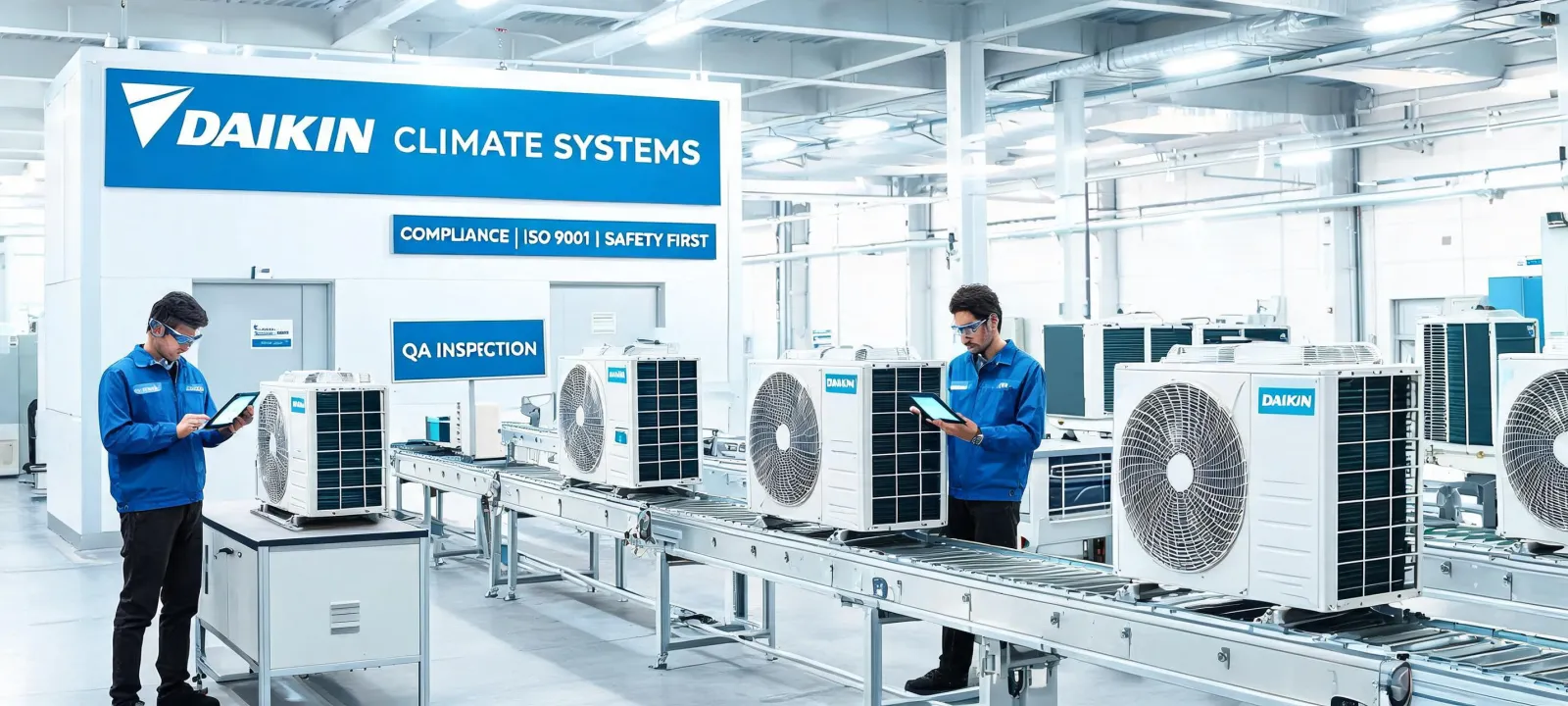
Daikin combines disciplined engineering, export documentation and appliance manufacturing governance for buyers who need a supplier that can support repeated retail programs, not one-off shipments.
Reliability is not a slogan for a climate appliance program. It is the daily habit of testing airflow, checking labels, logging parts and giving buyers a clear answer before their own launch meeting begins.
Daikin began consolidating climate appliance sourcing work into repeatable documentation, inspection and carton-control procedures for international buyers.
Engineering resources shifted toward inverter mini split, heat pump and control programs as retail buyers demanded higher energy performance and quieter operation.
Certification tracking moved into a buyer-facing format covering market scope, label requirements, testing status and supporting technical files.
Today Daikin supports home climate, air quality and water heating buyers with a structured path from RFQ to replenishment.
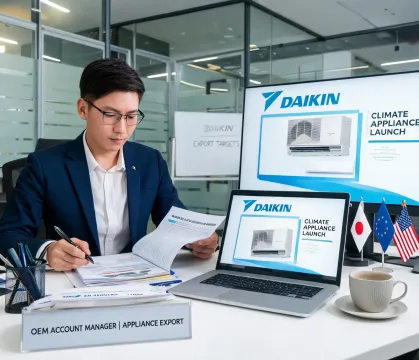
Owns RFQ clarity, buyer communication, milestone planning and decision logs.
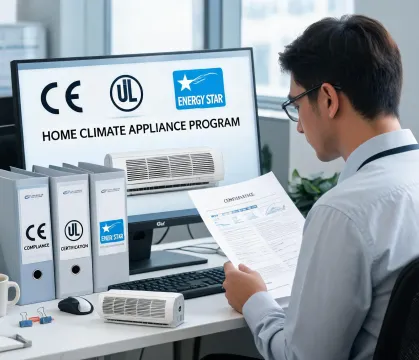
Maps destination market requirements and keeps technical files aligned with buyer needs.

Maintains inspection plans, pilot run feedback and corrective action closure.
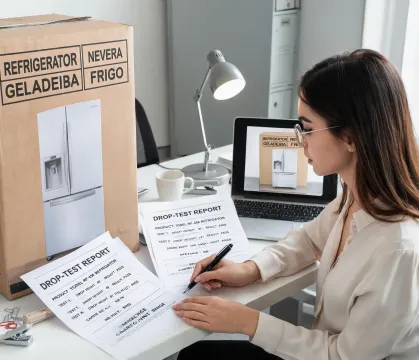
Connects retail cartons, inserts, manuals, barcodes and logistics markings before shipment.
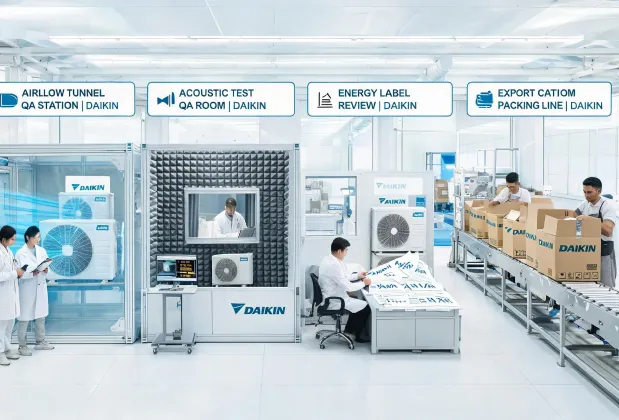
Buyers often evaluate a climate appliance supplier through details that never appear in a hero image: whether manuals match the product version, whether carton dimensions are stable, whether service parts are tracked and whether the factory can explain why a certification path is ready or still pending. Daikin structures facility reviews around those practical questions. During program onboarding, the buyer receives a view of assembly flow, testing stations, compliance file ownership, packaging approval and shipment release controls. The intent is simple: reduce surprises before the buyer has to answer to a retail, distributor or utility-rebate team.
Programs are reviewed for energy documentation early, so buyers can plan labels, rebate claims and shelf communication with fewer late changes.
Material controls and supplier declarations are maintained for appliance electronics, plastic housings and accessory kits.
Refrigerant planning helps buyers manage risk as regional rules tighten around high-GWP alternatives.
Daikin keeps certificates, test reports and labeling requirements organized by market and product family.